
The Silent Superpower of Coaching: Mastering the Art of Holding Space

Updated: Apr 21, 2025
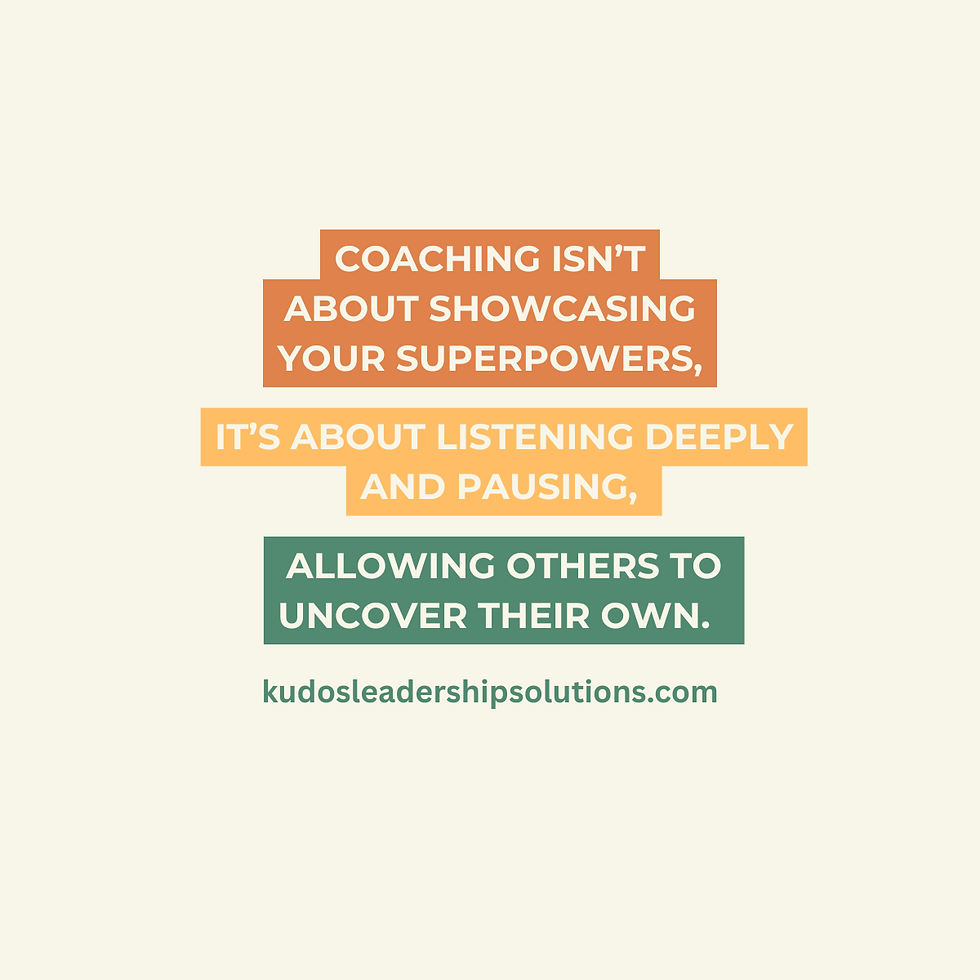
In the world of coaching, we often celebrate powerful questions, insightful feedback, and action-driven strategies. But there’s an art that, when mastered, creates profound transformation-holding space.
What Does It Mean to Hold Space?
Holding space is the ability to be fully present with another person without judgement, distraction, or the urge to fix. It is a conscious choice to create a safe environment where your client feels heard, understood, and empowered to explore their own thoughts and emotions.
In essence, holding space is about trust. It signals to your client: “You have everything you need within you. I am here to support, not direct your journey.”
Why Is Holding Space So Powerful?
It Encourages Deep Reflection. When a coach holds space, they allow silence to be productive. Clients often unearth their own insights when given the time to process their thoughts without interruption.
It Builds Self-Awareness and Confidence. Instead of offering solutions, holding space invites clients to find their own answers. This builds self-trust and resilience, fostering long-term growth rather than short-term fixes.
It Strengthens Emotional Intelligence Both for the coach and the client, the practice of holding space enhances empathy, patience, and the ability to sit with discomfort-all crucial leadership skills.
It Creates Psychological Safety. When clients feel safe to express themselves without fear of being judged, they are more likely to be open, vulnerable, and honest-leading to breakthrough moments.
Holding Space as a Leadership Skill
Great leaders, like great coaches, understand the value of holding space. Leadership is not just about giving directives and making decisions; it’s about creating an environment where people feel empowered, heard, and valued.
Encourages Innovation. When leaders hold space, team members feel more confident sharing new ideas and taking risks, fostering a culture of creativity and subsequent innovation.
Enhances Team Trust. Employees who feel truly listened to are more engaged and loyal, strengthening workplace relationships.
Develops Stronger Leaders. By holding space, leaders help their teams develop critical thinking and problem-solving skills, rather than always providing the answers.
Improves Conflict Resolution. Leaders who hold space facilitate open, honest discussions, allowing for more effective conflict management and collaboration.
How Can Coaches and Leaders Master the Art of Holding Space?
Practice Deep Listening – Truly hear what is being said (and what isn’t). Avoid the urge to formulate a response while the client or team member is speaking.
Embrace Silence – Growth often happens in the pauses. Let others sit with their thoughts before rushing in to fill the space.
Be Fully Present – Eliminate distractions and show up with full attention. Your presence alone can be transformative.
Manage Your Own Discomfort – If someone is struggling, resist the temptation to “rescue” them. Trust the process.
Cultivate Curiosity, Not Control – Ask open-ended questions that empower others to explore deeper insights.
Why This Matters
Holding space is an invisible yet profound force in both coaching and leadership. It requires deep intentionality, emotional intelligence, and trust in the journey of those we guide. When done well, it allows transformation to unfold organically, leading to lasting change in both individuals and organisations.
As coaches and leaders, our role is not to have all the answers but to create the conditions for others to discover them; and sometimes, the most powerful thing we can do is simply hold space.
Get in touch to explore how Kudos Leadership Solutions can help you transform your leadership journey - hello@kudosleadershipsolutions.com.


Comments